DSP Spotlight: Lawrence Discusses Hardship Imposed on Direct Care Workforce
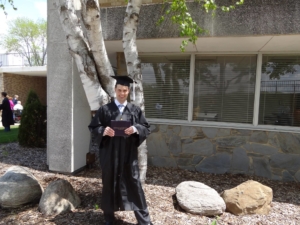
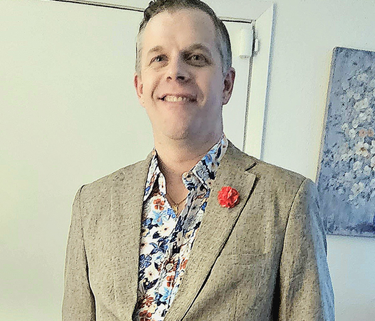
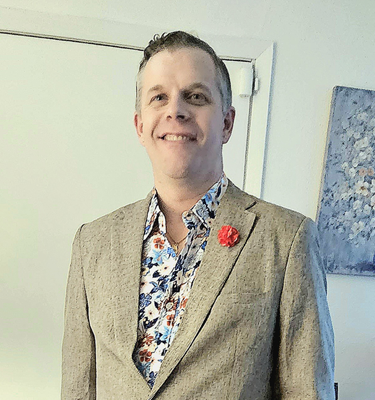 Working with people with disabilities is Lawrence’s long-time passion. He has worked as a direct support professional (DSP) in New York and Texas, both before and after serving in the Army. As a DSP, Lawrence takes pride in the trusted role he has in the lives of people with disabilities. He helps transport people to and from appointments, gives medicine, cooks, cleans, dresses, changes, and feeds people who may not be able to do these things for themselves. He even seeks out specialized training that is needed to support people who have challenging behaviors that may result in injury to themselves and others.
For years, the DSP field has been undervalued and underfunded. For Lawrence, this comes from a lack of recognition and social awareness.
“It is important for people to recognize the skills, training, and importance of our profession and how comparable it is to jobs with similar requirements,” says Lawrence. “I have performed in nursing and emergency services roles; I can say these skills easily translate to direct support professionals. However, these other professions receive not only more public credit but also a substantially larger salary… I have served in this profession for 18 years and don’t have the heart to leave. But right now, I am only earning just over minimum wage and having to work 60 hours a week.”
Dedicated direct support professionals do their best every day to care for people with disabilities and seniors. However, due to poor pay, it is hard for many DSPs to support themselves and their families on this below-average wage.
Recently, the crisis impacted a family that Lawrence works with. When the mother could no longer physically care for her teenage son, Lawrence stepped up. In Texas, it can take 6 years, on average, to get Medicaid home and community-based services. During this time, many people with disabilities end up in institutions, like nursing homes, because they can’t get the support they need to live at home. To prevent this from happening, Lawrence offered to house the teenager and care for him in his own home, at his own expense. “I support him out of the very wages I am paid by Medicaid for my work. It is my choice, but I shouldn’t have to do this for the young man to get the help he needs,” says Lawrence.
Being a direct support professional requires many critical skills but is often easily overlooked by those making decisions about Medicaid funding. As a result of this oversight, there are not enough DSPs to help all the people who need care. The low pay scale often means that people are not able to gain proper training or stay long enough in a DSP role to learn all the skills needed for the position.
“It is my prayer that our government works diligently to support the people with disabilities in our communities and their families. It is desperately important that the processes for funding, equipment, placement, and care be streamlined and that we recognize the value and appropriately pay those who work with people in need. It is through this that we will drastically improve the quality of care and quality of life of those with disabilities.”
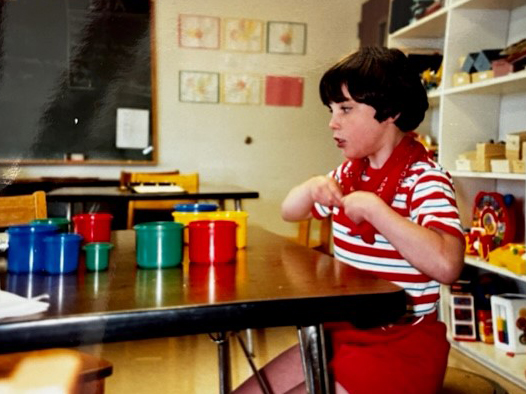 Julia started attending a pre-school run by United Cerebral Palsy, where they received a flyer for a family event hosted by AHRC New York City. The whole family spent a Saturday afternoon connecting with other parents, siblings, and children with disabilities.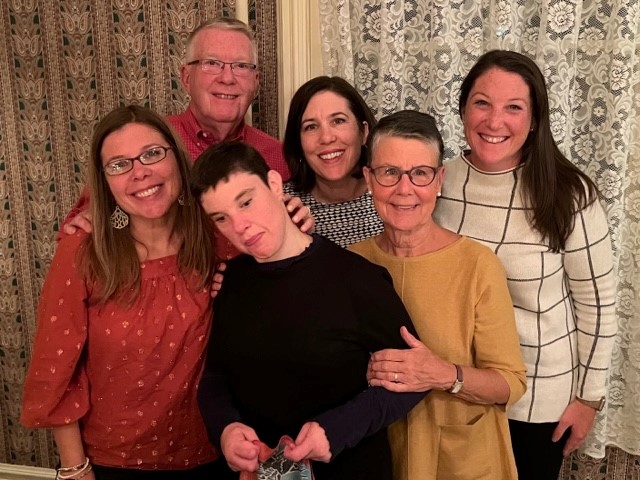
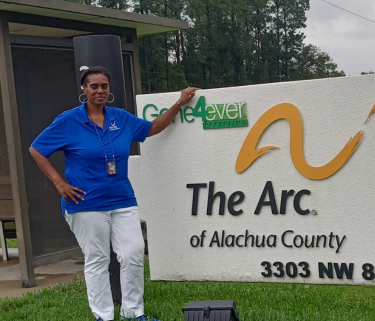
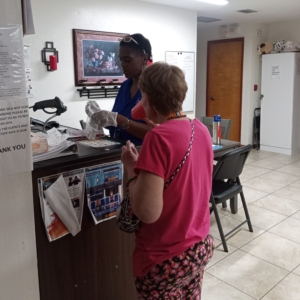 Betty has always had the innate ability to create a safe space for disabled people. As a child, she would talk to them in the grocery store, at church, and on the street. At the age of 18, she found herself running a daycare center and was drawn to do more for the disabled children who came through her doors. She enrolled in disability studies at Santa Fe College, which was right across the street from The Arc of Alachua County. Upon graduating, The Arc of Alachua County immediately hired her as a DSP. That was 20 years ago, and Betty has never looked back.
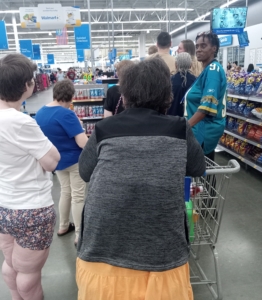 role of DSPs, chronic underinvestment in Medicaid’s home and community-based services has led to paltry wages and training, which has created a nationwide shortage of workers. As Betty says, “Spend a day in our shoes. It might seem like what we do is easy, but it’s not. There’s no training, so I had to learn on the job, and there’s not enough staff. Sometimes, I have to work without a break, cover the next shift, or come in on weekends, but I don’t have a problem with that because I want my clients to be happy. Their families tell me all the time that if I wasn’t in their lives, they don’t know what they’d do or where they’d be.”
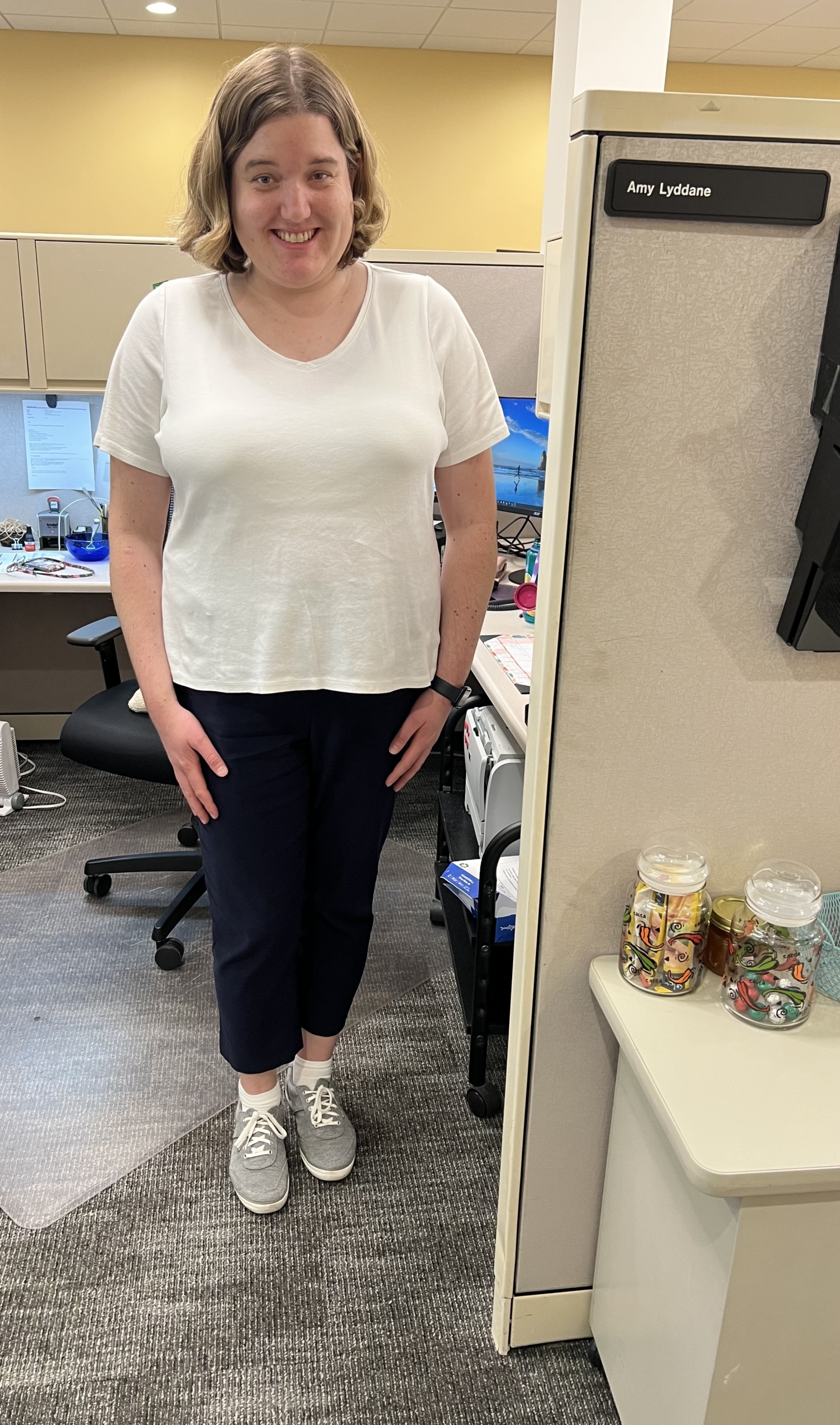 After graduating from high school and realizing college wasn’t the right path for her, Amy—who has a learning disability—knew she was ready to begin building her career. She started with typical jobs for young adults, working at Bath and Body Works and Giant Food for several years while taking classes at the local community college until a chance meeting in the college parking lot changed her life.

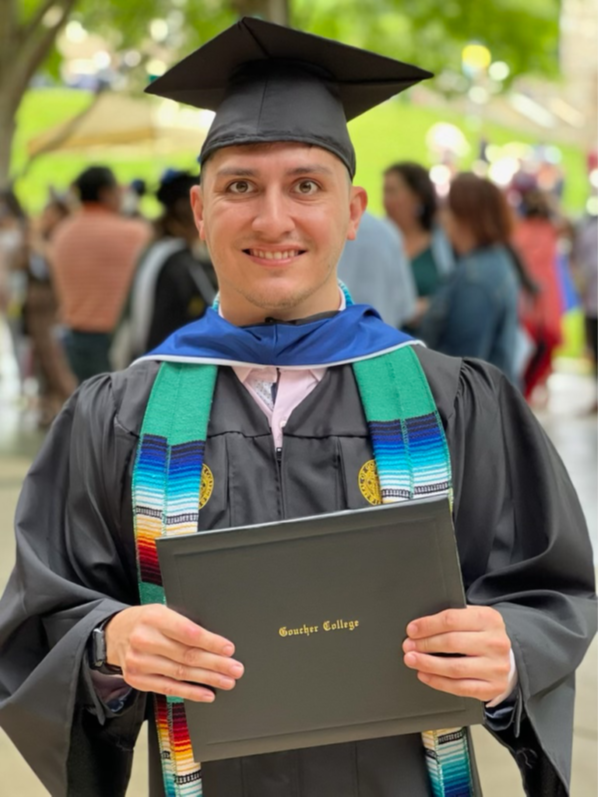
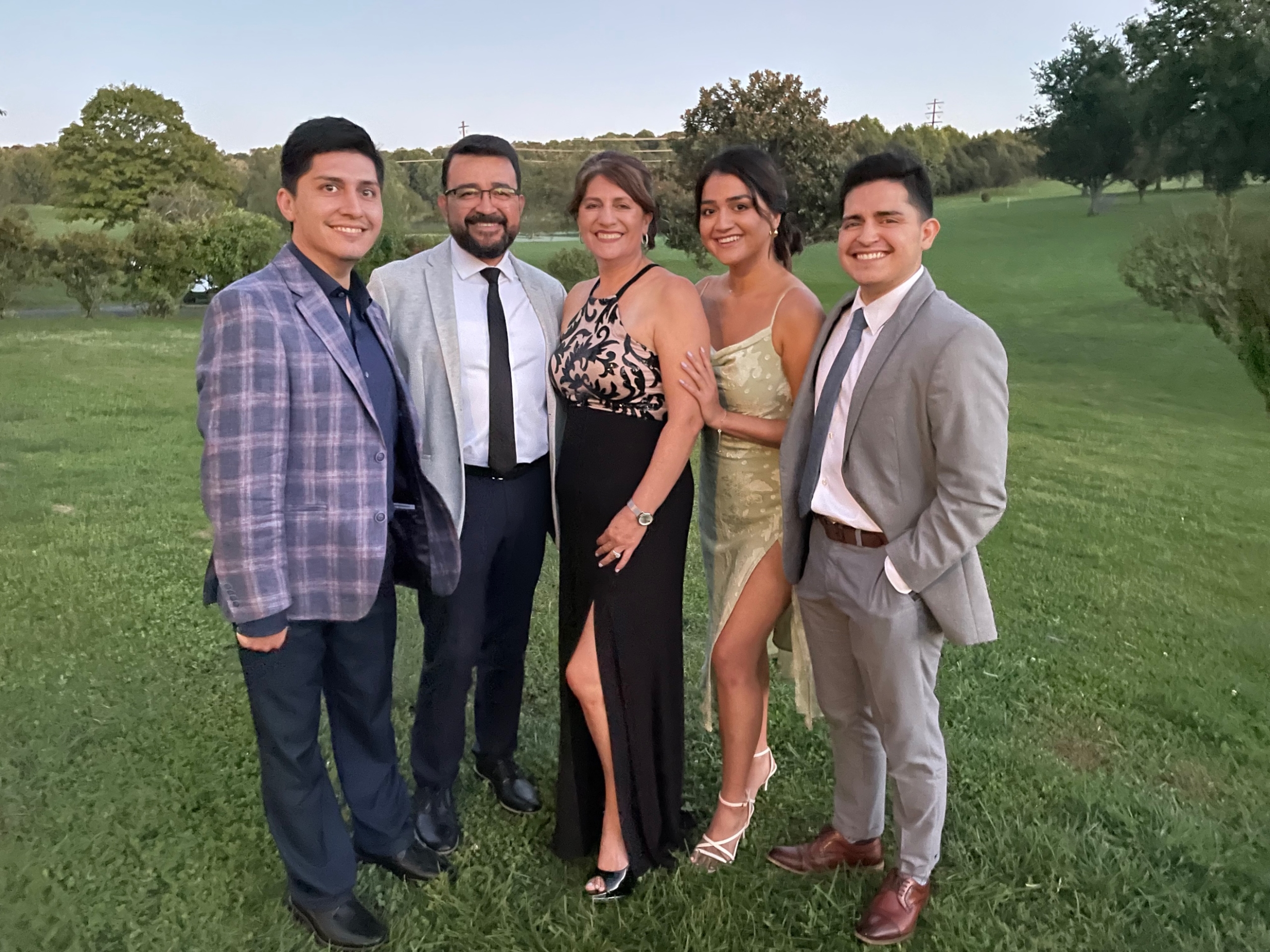 Carlos now works at TDezz Badass Creations as part of the accounting and management department. He likes the job and enjoys helping people. But he dreams of opening his own business or working in Washington, DC. He loves going to the movies and the mall, especially with his girlfriend Naya whom he met in community college. He loves his dogs Lucas and Tyson, his siblings David and Karla, and his parents Maria and Carlos who are the most important people in his life and have been there for him through it all. He visits his relatives back in Ecuador often and is proud of his family.

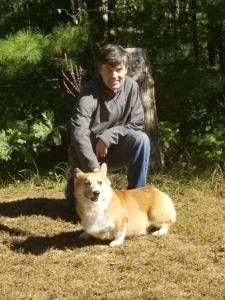 Throughout my life there was one phrase that was ingrained in my brain: expect the best from myself. I always believed if there was something I really wanted to do, that I should not let my disabilities stop me. No matter how challenging or difficult something might be, I would work my hardest to succeed.